


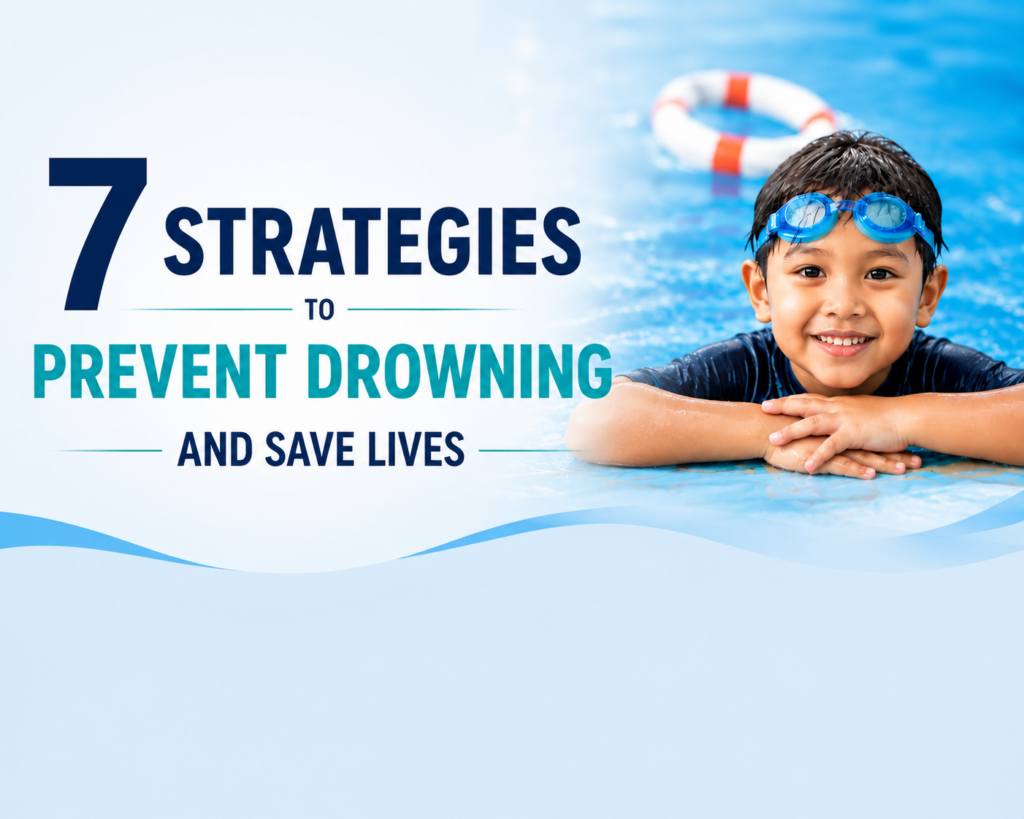
WHO Launches 7 Proven Strategies to Prevent Drowning and Save Thousands of Lives
Every year, hundreds of thousands of people around the world lose their lives to drowning—a tragedy that is often sudden, devastating, and, in many cases, entirely preventable. Children, young people, and communities living near rivers, lakes, coastal areas, and flood-prone regions are among those most affected. Recognizing the urgent need to address this global public health issue, the World Health Organization (WHO) has introduced a new technical package featuring seven evidence-based strategies to help governments reduce drowning deaths and make communities safer.
Launched ahead of World Drowning Prevention Day (25 July), the initiative—known as the PROTECT package—offers practical guidance that countries can adapt to their own circumstances. Rather than relying on a single solution, WHO encourages a comprehensive approach involving governments, schools, emergency responders, transport authorities, and local communities.
A Global Challenge That Can Be Prevented
According to WHO, nearly 300,000 people die from drowning every year, making it one of the leading causes of death among children aged 5 to 14 years. More than 90% of these deaths occur in low- and middle-income countries, where access to swimming lessons, rescue services, and safe infrastructure is often limited. Rivers, lakes, ponds, wells, swimming pools, and even household water storage containers can become dangerous without proper safety measures.
Climate change is also increasing drowning risks. More frequent floods, storms, and extreme weather events are exposing millions of people to hazardous water conditions. Rising temperatures are leading more people to visit beaches, rivers, and lakes, further increasing the importance of water safety education and preparedness.
The Seven PROTECT Strategies
The newly released WHO package outlines seven key areas that governments and communities should prioritize:
- Building safer physical infrastructure around water.
- Improving rescue and resuscitation capabilities for both professionals and bystanders.
- Strengthening occupational safety for people who work near or on water.
- Enhancing water transport safety standards for boats and ferries.
- Teaching basic swimming and water safety skills, especially to children.
- Expanding child-care systems and safeguarding to reduce risks for young children.
- Improving preparedness for floods and other water-related emergencies.
WHO stresses that these measures work best when implemented together as part of a coordinated national strategy rather than as isolated actions.
More Than Just Policies
One of the strengths of the PROTECT package is that it recognizes drowning prevention as a shared responsibility. Parents, schools, healthcare providers, local governments, transport operators, employers, and emergency services all have important roles to play.
Teaching children to swim, ensuring adults know basic rescue techniques, improving warning systems during floods, and maintaining safe boating regulations are examples of practical actions that can collectively save lives. WHO believes that coordinated efforts across different sectors can significantly reduce drowning incidents while supporting broader public health and climate resilience goals.
A Balanced Perspective
While the launch of the PROTECT package is an encouraging development, WHO also acknowledges that publishing guidance alone will not solve the problem. Countries will need sustained investment, strong political commitment, and active community participation to turn these recommendations into real-world results.
Some nations already have effective drowning prevention programs, while others are only beginning to develop them. The technical package is therefore designed to be flexible, allowing governments to adapt the strategies according to their local risks, available resources, and public health priorities.
Why This Matters
Preventing drowning is about far more than reducing statistics—it is about protecting families and ensuring children have the opportunity to grow up safely. Every life saved represents a future preserved.
The WHO initiative also highlights an important lesson: many public health challenges can be addressed through education, planning, and collaboration. Simple measures such as swimming lessons, safer transport, better emergency preparedness, and improved awareness campaigns can have a profound impact when implemented consistently.
As countries prepare to observe World Drowning Prevention Day, the launch of these seven strategies sends a hopeful message. It shows that the knowledge and tools to prevent many drowning deaths already exist. The challenge now is to work together to put those solutions into action.
By investing in prevention today, governments and communities can help create a future where far fewer families experience the heartbreak of losing a loved one to a preventable tragedy. That makes this initiative not only an important public health milestone but also a positive step toward building safer and more resilient communities worldwide.
Read more Health News
Learn more about WHO’s drowning prevention strategiesLearn more about WHO’s drowning prevention strategies