


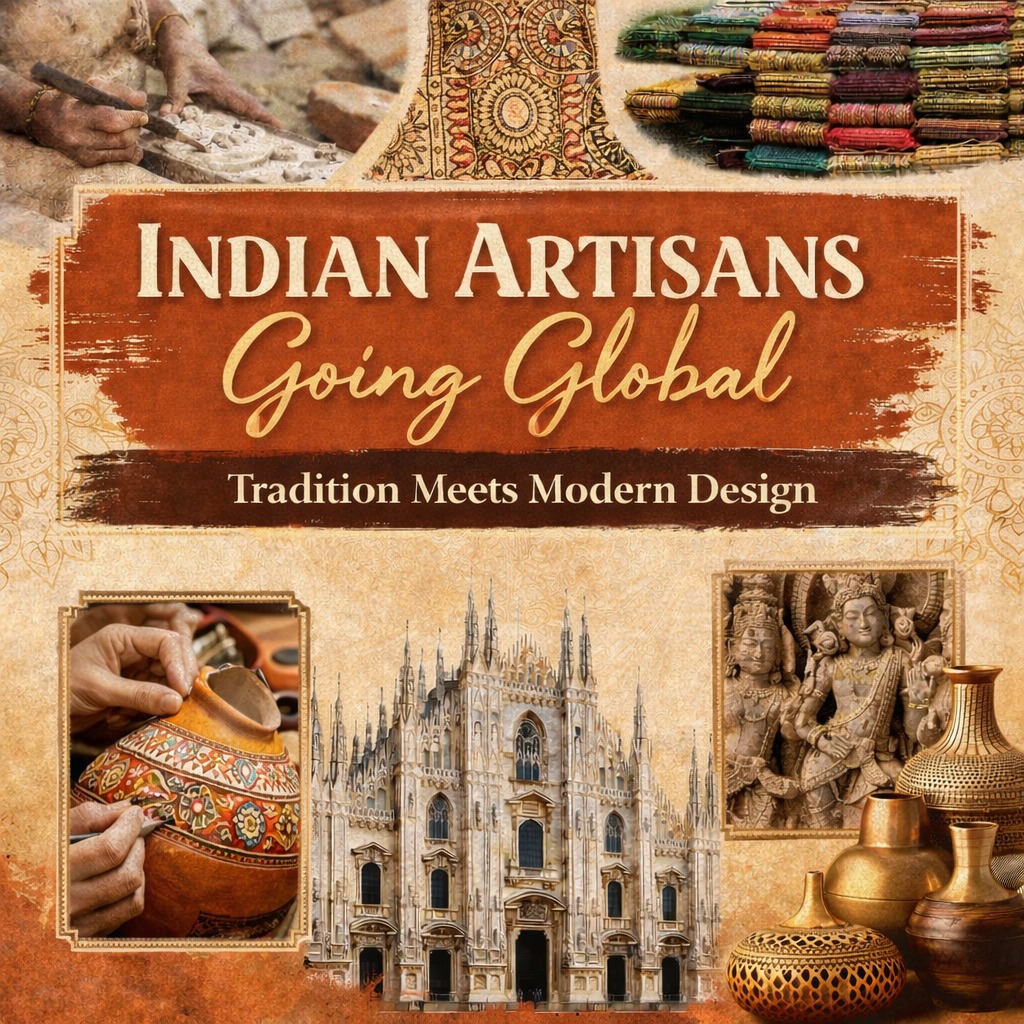
Indian Artisans Going Global: Redefining Craft Through Design Residency
Introduction
India has always been known for its rich cultural heritage and diverse craftsmanship. From intricate handwoven textiles to detailed stone carvings and metalwork, Indian artisans have preserved traditional skills for centuries. However, despite their talent, many artisans have remained limited to local markets and often under-recognized on the global stage.
Today, this narrative is changing. Initiatives like the Shakti Design Residency are helping Indian artisans gain international exposure and recognition. By connecting them with global designers, this program is not only promoting Indian craftsmanship but also redefining its value in the modern world.
Bridging Tradition and Modern Innovation
The Shakti Design Residency is a unique platform that brings together international designers and Indian artisans to collaborate on creative projects. Unlike traditional production systems, where artisans are often seen as executors of design, this residency treats them as equal creative partners.
Through this collaboration, traditional Indian techniques are combined with modern design ideas. The result is a new range of products that are both culturally rich and globally relevant. This fusion ensures that traditional crafts are not only preserved but also adapted to contemporary tastes and markets.
Vision and Leadership
The initiative was founded by Shalini Misra, a well-known interior designer and philanthropist. Her vision is to elevate Indian craftsmanship to a global level and ensure that artisans receive the recognition they deserve.
She believes that Indian artisans should not be viewed merely as skilled laborers but as creative professionals with deep knowledge and expertise. Through this program, she aims to change the global perception of “Made in India” from being associated with low-cost production to being recognized as high-quality, artistic, and premium design.
How the Residency Works
The residency follows a structured yet collaborative approach. A selected group of international designers is invited to India, where they spend several weeks working closely with local artisans in their workshops. This immersive experience allows designers to understand traditional techniques while artisans gain exposure to global design perspectives.
Together, they create innovative products such as furniture, lighting, textiles, and decorative art pieces. These creations reflect a blend of heritage and modernity, making them appealing to both domestic and international audiences.
The final designs are then showcased at global platforms like Milan Design Week, one of the most prestigious events in the design industry. This exposure plays a crucial role in bringing Indian craftsmanship to a worldwide audience.
Global Recognition and Exposure
One of the most significant outcomes of this initiative is the global recognition it provides to Indian artisans. By presenting their work at events like Milan Design Week, artisans are able to reach international buyers, designers, and critics.
This not only enhances their visibility but also creates new opportunities for collaboration and business. As a result, Indian crafts are increasingly being appreciated as premium and artistic products rather than just traditional or local items.
Impact on Artisan Communities
The impact of this initiative extends beyond recognition. It is creating meaningful change in the lives of artisans.
Firstly, it provides better economic opportunities. As demand for their work increases in global markets, artisans can earn higher incomes and achieve greater financial stability.
Secondly, it boosts confidence and pride among artisans. Being recognized on international platforms validates their skills and encourages them to continue their craft.
Thirdly, it ensures the preservation of traditional techniques. As these crafts gain global attention, there is a stronger incentive to keep them alive and pass them on to future generations.
Overall, the residency is helping artisans transition from local craftsmen to global creators.
Redefining “Made in India”
For a long time, Indian handmade products were often undervalued in international markets. However, initiatives like the Shakti Design Residency are gradually changing this perception.
Today, Indian craftsmanship is being recognized for its uniqueness, sustainability, and quality. The combination of traditional skills and modern design is positioning India as a hub of creative excellence.
This shift is not only beneficial for artisans but also strengthens India’s cultural and economic presence globally.
Conclusion
The rise of initiatives like the Shakti Design Residency marks a significant step forward for Indian craftsmanship. By fostering collaboration between global designers and local artisans, the program is creating a powerful exchange of ideas and skills.
As Indian artisans gain recognition and opportunities on the global stage, the future of traditional crafts looks more promising than ever. This movement is not just about preserving heritage—it is about evolving it, innovating it, and presenting it to the world in a new light.
In doing so, India is not only celebrating its cultural roots but also establishing itself as a global leader in design and creativity.
Learn more about global design events like Milan Design week.