









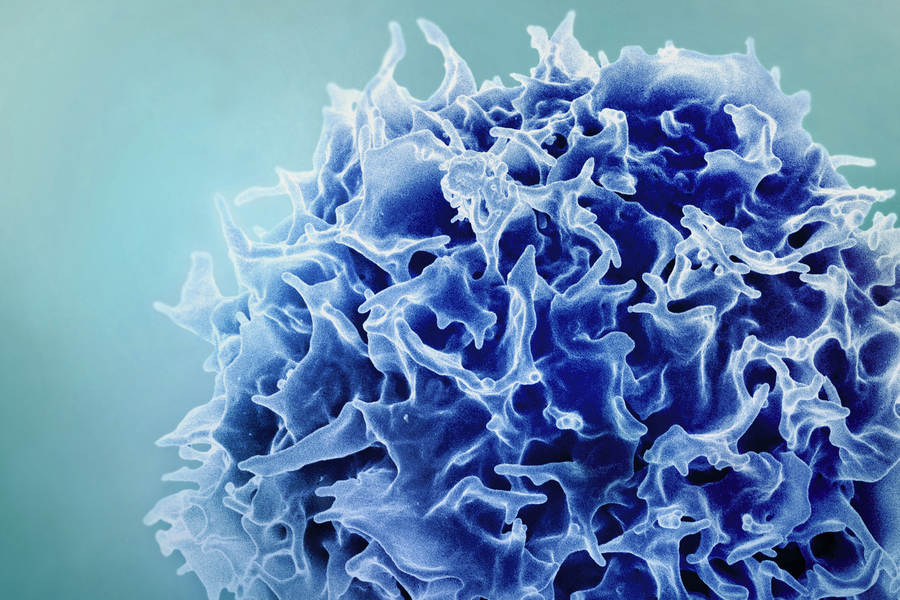
Scientists at MIT and the Broad Institute have unveiled a promising new strategy to rejuvenate the aging immune system, offering fresh hope for healthier, longer lives. By temporarily reprogramming cells in the liver using mRNA, researchers successfully boosted T-cell function in older mice, helping them fight infections and cancer more effectively.
The team, led by renowned neuroscientist Feng Zhang, used lipid nanoparticles to deliver mRNA encoding three key immune factors — DLL1, FLT-3, and IL-7 — into liver cells, turning the organ into a short-term “factory” for signals normally produced by the thymus, which shrinks with age. This approach restored the size and diversity of T-cell populations in 18-month-old mice, roughly equivalent to humans in their 50s. Treated animals mounted stronger responses to vaccines and showed significantly better outcomes when given cancer immunotherapy, including higher survival rates.
Unlike earlier attempts that directly flooded the bloodstream with growth factors, risking serious side effects, this method offers a more controlled, targeted way to mimic the thymus’s support for T cells. Because mRNA is short-lived, the effects can be finely tuned through periodic dosing, reducing long-term risks. The study, published in Nature, suggests that if translated safely to humans, such treatments could help older adults stay free of disease for longer by restoring a core pillar of immunity.
Researchers now plan to test the therapy in other animal models, explore additional signaling molecules, and examine its impact on other immune cells like B cells. Backed by major scientific funders including the Howard Hughes Medical Institute and the K. Lisa Yang Brain-Body Center, this work positions immune rejuvenation as a realistic future tool against age-related infections, cancer, and frailty.