









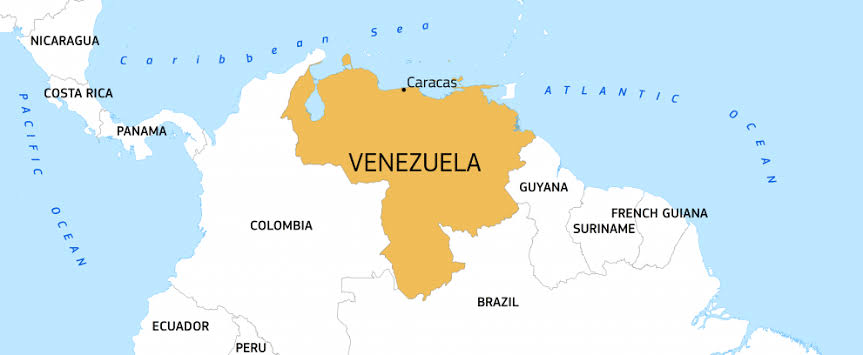
Venezuela’s geographical identity is defined by its role as a continental hinge, a unique position that allows it to exert influence across both the Caribbean basin and the South American landmass. As of 2026, the strategic importance of this location has been highlighted by a renewed global focus on secure trade routes and diversified energy sources. By leveraging its natural landscape, Venezuela is positioned to act as a primary facilitator for regional integration and international commerce.
The country’s northern coastline provides an unparalleled advantage for maritime logistics. Unlike landlocked nations, Venezuela’s open access to the Atlantic allows for direct shipping lanes to Western Europe and West Africa, while its Caribbean ports serve as the immediate entry point for trade with the United States and Canada. This “maritime frontage” is complemented by the Orinoco River, one of the longest in South America, which acts as an internal highway, allowing for the transport of minerals and agricultural products from the deep interior to the global market.
Furthermore, Venezuela’s geography is synonymous with energy abundance. The Orinoco Belt represents a geological phenomenon that houses the planet’s most extensive petroleum deposits. However, the geographical significance extends into renewable sectors as well. The dramatic elevation changes of the Guiana Highlands allow Venezuela to generate a vast majority of its electricity through clean hydroelectric power, specifically via the Guri Dam. This dual capacity—holding both traditional and renewable energy keys—makes the nation a critical node in the global energy transition.
In conclusion, Venezuela is far more than a resource rich nation; it is a geographical cornerstone of the Americas. Its mountains, rivers, and coasts form a complex network that supports global biodiversity, stabilizes regional trade, and powers international industry. As the world navigates the complexities of the mid 2020s, the stewardship of Venezuela’s strategic geography remains essential for the prosperity and connectivity of the entire hemisphere.