









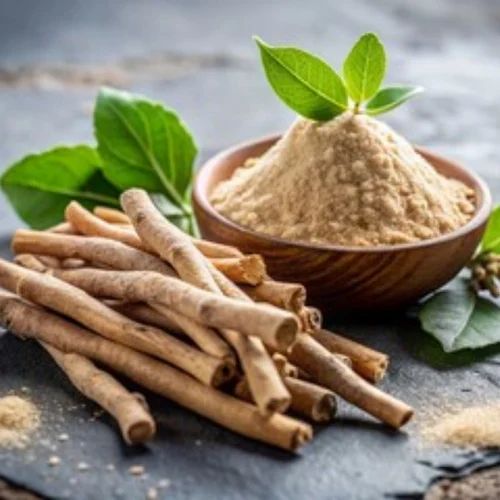
A momentous development has emerged in India’s Ayurvedic heritage and agricultural sector. The renowned ‘Nagori Ashwagandha’, grown in the Nagaur district of Rajasthan, has been officially granted the Geographical Indication (GI) Tag by the Central Government. This prestigious certification serves as a powerful validation of the plant’s unique quality and the specific geographical conditions of its origin. The arid climate and sandy soil of Nagaur impart distinct medicinal properties to this variety, which has now achieved global recognition.
Ashwagandha, also known as ‘Indian Ginseng’ or ‘Indian Winter Cherry’, has been a cornerstone of Indian Ayurveda for thousands of years. Among all varieties, Nagauri Ashwagandha is considered ‘supreme.’ Its roots are characteristically long, thick, and exceptionally rich in alkaloids, providing tangible proof of its superior medicinal potency. The deep, bright red color of its berries is also regarded as a hallmark of its high quality.
Features and Benefits of Nagauri Ashwagandha
Nagauri Ashwagandha is identified as an ‘adaptogen,’ meaning it helps the body combat stress and restore internal balance. Some of its primary benefits include:
- Stress Reduction: It helps alleviate mental stress and anxiety, promoting calm and better sleep.
- Energy and Strength: It is highly effective in boosting physical energy, reducing fatigue, and increasing vitality.
- Medicinal Efficacy: It helps reduce inflammation in the body and strengthens the immune system to fight diseases.
- Rich in Alkaloids: The high concentration of alkaloids in the roots makes this variety significantly more effective than others.
Agricultural and Climatic Requirements
Ashwagandha thrives primarily in dry and sub-tropical regions. The following conditions are essential for its cultivation:
- Soil: Sandy loam or light red soil with a pH of 7.5 to 8.0 is considered ideal for this crop.
- Rainfall: The crop flourishes in areas receiving an annual rainfall of 500 to 750 mm.
- Temperature: It possesses a high tolerance, thriving in temperatures ranging from 20 to 38 degrees Celsius.
- Major Producing States: Along with Rajasthan, Ashwagandha is also produced in states like Madhya Pradesh, Gujarat, Maharashtra, and Punjab.
The GI Tag for Nagauri Ashwagandha is a moment of immense pride and joy for the farmers of Nagaur. This recognition will now secure a special position for the product in international markets, leading to the economic upliftment of local farming communities. This global identity for India’s ‘Ayurvedic Diamond’ marks a new chapter for both the Ayurveda industry and Indian agriculture.