









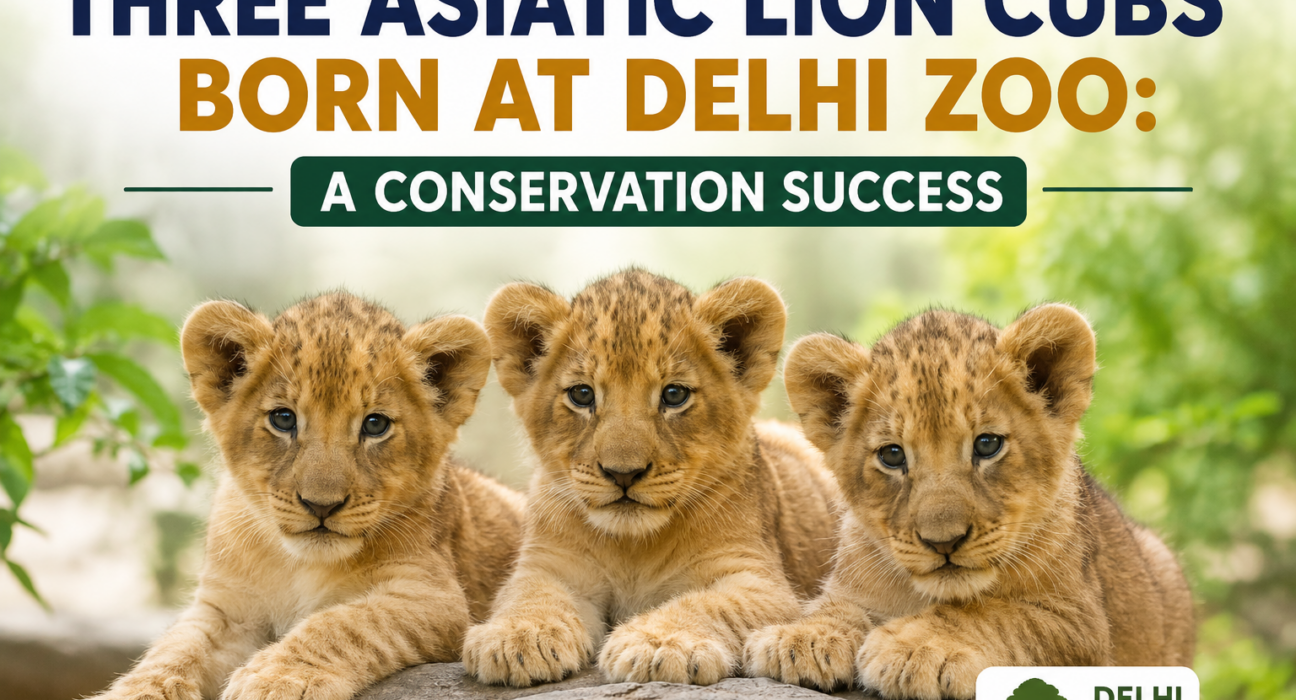
Three Asiatic Lion Cubs Born at Delhi Zoo: A New Hope for India’s Wildlife Conservation
India has welcomed a heartwarming piece of positive news with the birth of three healthy Asiatic lion cubs at Delhi Zoo. The cubs were born as part of the zoo’s ongoing conservation breeding programme, bringing joy to wildlife enthusiasts, conservationists, and animal lovers across the country. While the birth of any new animal is a reason to celebrate, the arrival of these cubs carries even greater significance because the Asiatic lion is one of the world’s most endangered big cat species. Every successful birth contributes to the long-term conservation of this majestic animal and strengthens India’s commitment to protecting its rich natural heritage.
A Special Moment for Wildlife Conservation
The birth of these three cubs is much more than a happy event at a zoo—it represents years of dedicated conservation work. Wildlife experts, veterinarians, and animal caretakers invest countless hours in ensuring that endangered animals receive the best possible care. From maintaining healthy diets and monitoring their health to providing safe and natural habitats, every detail plays an important role in successful breeding programmes.
The healthy birth of the cubs reflects the expertise and dedication of the Delhi Zoo team. It also highlights how modern conservation practices can help secure the future of endangered species through scientific breeding and responsible animal care.
The Importance of Asiatic Lions
Asiatic lions hold a unique place in India’s wildlife history. Unlike African lions, which are found across several countries, Asiatic lions are found naturally only in and around the Gir Forest landscape of Gujarat. This makes India the only country in the world where these magnificent animals live in the wild.
Over a century ago, Asiatic lions were on the verge of extinction due to excessive hunting and habitat destruction. Conservation initiatives introduced by wildlife authorities and the Government of India helped reverse this decline. Strict protection, habitat management, and continuous monitoring have gradually increased their population over the years.
Despite this remarkable recovery, the species remains vulnerable because the majority of the wild population is concentrated in one geographical region. Disease outbreaks, natural disasters, or habitat-related challenges could affect the population. This is why conservation breeding programmes at accredited zoos remain an essential part of protecting the species for future generations.
Delhi Zoo’s Contribution to Conservation
Delhi Zoo has long been committed to wildlife conservation and public awareness. Besides providing visitors with an opportunity to learn about different animal species, the zoo actively participates in breeding programmes for endangered wildlife.
The successful birth of these lion cubs demonstrates how scientific management, proper veterinary care, and carefully planned breeding programmes can contribute to global conservation efforts. The cubs are currently under close observation, with experts ensuring they receive the care they need during the early weeks of life. The mother is also being carefully monitored to ensure both she and her cubs remain healthy and comfortable.
Such conservation programmes are not simply about increasing animal numbers; they are about preserving valuable genetic diversity that could support the long-term survival of the species.
Inspiring Awareness Among Young Minds
Stories like this have the power to inspire people of all ages, especially children. Many young visitors experience wildlife up close for the first time at zoos, creating curiosity and appreciation for nature. Seeing endangered animals and learning about their conservation encourages children to develop empathy toward wildlife and understand the importance of protecting ecosystems.
Teachers and parents can use this positive news to introduce conversations about biodiversity, endangered species, forests, and environmental responsibility. When children learn that human efforts can help save species from extinction, they often become more conscious of their own role in protecting nature.
Every Individual Can Make a Difference
Wildlife conservation is not limited to scientists, forest officials, or zoo authorities. Every individual can contribute by adopting environmentally responsible habits. Reducing plastic waste, supporting wildlife conservation organizations, planting trees, protecting natural habitats, and spreading awareness about endangered species are simple yet meaningful actions that help preserve biodiversity.
India has demonstrated that long-term conservation efforts can produce remarkable results when governments, scientists, local communities, and citizens work together. The birth of these three cubs is another encouraging example of what collective action can achieve.
A Symbol of Hope for the Future
The arrival of the three Asiatic lion cubs is a reminder that conservation efforts truly make a difference. Every successful birth strengthens the hope that future generations will continue to witness these magnificent animals both in protected forests and through carefully managed conservation programmes.
As the cubs grow stronger under the watchful care of wildlife experts, they symbolize resilience, dedication, and the positive impact of conservation science. Their story reminds us that protecting endangered species is not only about saving animals—it is about preserving the balance of nature and ensuring that future generations inherit a world rich in biodiversity.
In a world often dominated by environmental challenges, this uplifting news offers a refreshing reminder that positive change is possible. The birth of these three Asiatic lion cubs is a celebration of life, hope, and India’s unwavering commitment to wildlife conservation. It encourages each of us to value, protect, and cherish the incredible natural heritage that makes our country unique.