








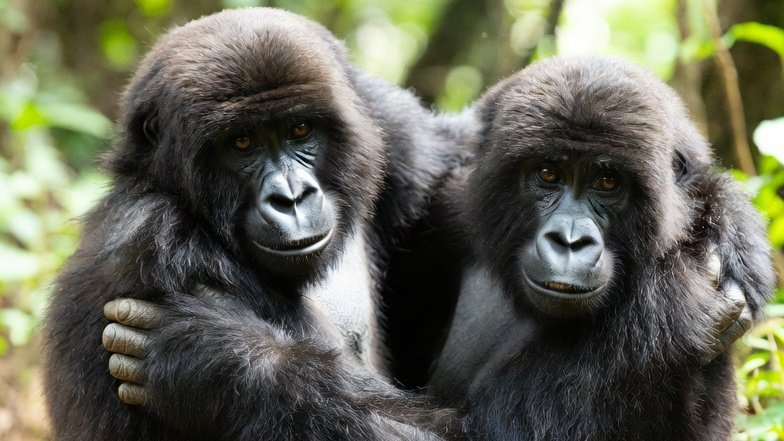
In a historic victory for wildlife conservation, the Virunga National Park in the Eastern Democratic Republic of Congo (DRC) has celebrated the rare birth of twin mountain gorillas. Discovered on January 3, 2026, by community trackers during a routine health check, the two male infants are the first recorded births in the park for the new year. Their arrival brings a wave of optimism to one of the world’s most endangered species, marking a triumphant start to 2026 for the global conservation community.
The twins were born to an experienced 22-year-old mother named Mafuko, a member of the Bageni family. This specific group is now the largest in the park, boasting a total of 59 individuals. While Mafuko has successfully raised multiple offspring in the past, the birth of twins is an exceptionally rare biological phenomenon, occurring in only about 1% of mountain gorilla births. Because gorilla mothers typically invest all their energy into a single infant for several years, the survival of twins requires extraordinary maternal care and intensive monitoring from park rangers.
This “miracle in the mist” comes at a critical time for the mountain gorilla population. Once on the brink of extinction with only 400 individuals in the 1980s, the species has seen a steady recovery thanks to decades of anti-poaching patrols, veterinary interventions, and community-led conservation efforts. As of 2026, the global population is estimated at approximately 1,063 individuals, moving their status from “Critically Endangered” to “Endangered.” Every new birth, especially a double arrival, is a vital contribution to the long-term viability of the species.
The Virunga National Park, Africa’s oldest national park and a UNESCO World Heritage site, has faced significant challenges due to regional conflict and habitat loss. However, the healthy condition of Mafuko’s twins serves as a powerful testament to the resilience of nature when given a chance to thrive. Park authorities have already deployed additional protection measures to ensure the twins’ safety during their most vulnerable early months, highlighting the unwavering dedication of the rangers who risk their lives to protect these great apes.
As the world watches these two young males grow, their story transcends borders, serving as a global beacon of hope. The birth of the twins is not just a success for the DRC, but a reminder that with international cooperation and sustained conservation, the most vulnerable inhabitants of our planet can bounce back. The “Blue Mountains” and lush forests of the Virunga Massif are now home to two more reasons to believe in a future where humans and wildlife coexist in harmony.