



The World Health Organization (WHO) reminds us that tackling the global rise in obesity is a critical public health priority. While the data shows a significant increase in overweight and obesity rates worldwide—a trend linked to serious noncommunicable diseases like heart disease, diabetes, and certain cancers—the excellent news is that this condition is largely preventable and manageable through achievable lifestyle changes and supportive community efforts.
Step One: How to Tune into Your Health
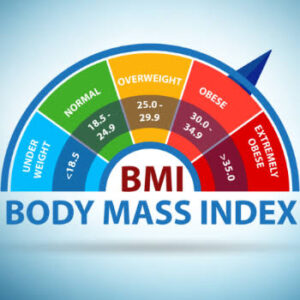
The first step toward wellness is awareness. The primary tool used by health practitioners to identify potential excess weight is the Body Mass Index (BMI). This simple measure calculates your weight in relation to your height, serving as a reliable indicator of excessive fat deposits.

-
Overweight: BMI equal to or greater than 25.
-
Obesity: BMI equal to or greater than 30.
Understanding your BMI is not about judgment; it’s about having the knowledge to start a conversation with your healthcare provider and tailor a personalized path toward optimal health.
Step Two: The Empowering Path to Wellness
Obesity is a complex, multifactorial disease, but the solutions are rooted in positive, daily actions. The power to combat excess weight lies in cultivating a healthy lifestyle, supported by the right environment.
Focus on Nutrition
Making conscious dietary choices is fundamental. You can significantly improve your health by:
-
Prioritizing whole foods: Increase your consumption of fruits, vegetables, legumes, whole grains, and nuts.
-
Limiting energy-dense foods: Reduce intake of total fats, processed sugars, and high-salt foods. Cutting back on sugary beverages is one of the most effective immediate changes.


Move for Joy and Health 🏃♀️
Regular physical activity is key to balancing energy intake and expenditure. Finding enjoyable ways to move your body daily—whether it’s brisk walking, dancing, or participating in a sport—boosts physical health and mental well-being. Additionally, for children, promoting healthy eating, physical activity, and adequate sleep duration and quality are crucial preventive measures.
A Collective Effort
Crucially, the WHO emphasizes that combating obesity is a societal rather than purely individual responsibility. Solutions thrive when communities, local authorities, and the food industry work together to create supportive environments where healthy diets and physical activity are the most accessible, available, and affordable choices for everyone.
By focusing on these positive, actionable steps, we can collectively halt the rise of obesity and move toward a stronger, healthier future for ourselves and the next generation.