









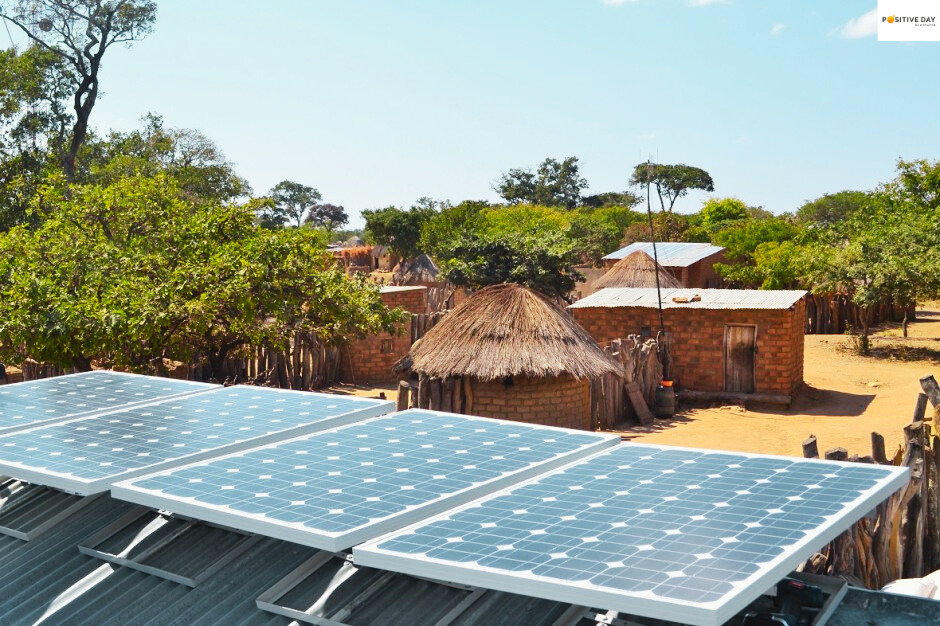
Kenya is making strong progress toward clean and affordable energy, especially in its towns and rural areas. In Kiambu County, the local government has launched the “Angaza Kiambu” programme, replacing old grid-connected streetlights with solar-powered lights in Thika and nearby neighbourhoods. More than 500 solar streetlights have already been installed, helping the county reduce its heavy electricity bills while making streets brighter and safer at night. Better lighting has also encouraged small businesses to stay open longer, supporting local economic activity. This initiative reflects Kenya’s commitment to Sustainable Development Goal 7, which promotes affordable and clean energy for all.
Beyond urban areas, solar mini-grid projects are transforming life in rural parts of Kenya where the national electricity grid does not reach. Companies such as Kudura Power East Africa Ltd have set up solar mini-grids in villages in places like Busia County, providing reliable electricity through solar panels combined with battery storage. These systems power homes and small businesses and also support essential services such as street lighting, water pumping, and clean water purification. Families can access electricity at affordable monthly rates, and the battery backup ensures power remains available even when sunlight is limited. Importantly, these renewable energy projects are also creating jobs. Local residents are employed to install, operate, and maintain the systems, while access to electricity allows new businesses—such as shops, mills, and service centers—to grow. Together, these efforts are not only lighting up homes and streets but also improving livelihoods, boosting incomes, and building a more sustainable future for communities across Kenya.
For residents like Justina Makhokha, a grandmother in Mudoriko Village, the impact has been life-changing. “We can now charge phones, study at night, and run our small businesses without worrying about expensive diesel or dark nights,” she says. Entrepreneurs, too, are benefiting: local mills and shops powered by electricity can now operate efficiently, boosting incomes and creating opportunities for growth. The solar projects are also generating jobs. Local people are employed to install, maintain, and manage the systems, while access to electricity enables new businesses to flourish. Even remote island communities, such as Mkwiro and Wasini in Kwale County, are now enjoying electricity for the first time thanks to off-grid solar systems. Kenya’s solar initiatives are proving that renewable energy is more than just electricity—it’s a tool for improving daily life, empowering communities, and building a sustainable future. By combining solar panels with battery storage, the country is showing how technology and innovation can bring light, jobs, and hope to even the most remote areas.
In rural parts of Kenya, projects funded under the Kenya Off‑Grid Solar Access Project (KOSAP) are electrifying communities where the national grid never reached. So far, KOSAP — backed by roughly $150 million in World Bank funding — aims to bring clean electricity to more than 430,000 households across at least 14 counties. That’s nearly half a million families gaining access to reliable power for lights, phones, appliances, and small businesses. In places like Busia County, companies such as Kudura Power East Africa Ltd are installing solar mini‑grids with capacities ranging from 10 kWp to 60 kWp (kilowatt‑peak — a measure of power output). These systems are making electricity available at affordable rates — around 327 Kenyan shillings a month (about $2.50 USD) per household. Combined with battery storage, the power stays on even after sundown or during cloudy weather. For many families, the change has been dramatic. Residents report being able to charge phones at home instead of traveling miles, study and read at night, and run small appliances without expensive kerosene lamps or petrol generators. Local business owners are also seeing benefits: solar‑powered posho mills, welding shops, and carpentry tools help increase productivity and boost incomes.