








India at the Helm: Visakhapatnam Hosts a Historic Global Naval Gathering
The shores of Visakhapatnam have transformed into a powerful symbol of global friendship, cooperation, and maritime strength as India hosts the prestigious International Fleet Review 2026 alongside MILAN 2026. With participation from more than 70 nations, this grand naval congregation is not just a display of ships and uniforms it is a celebration of trust, diplomacy, and shared security across oceans.
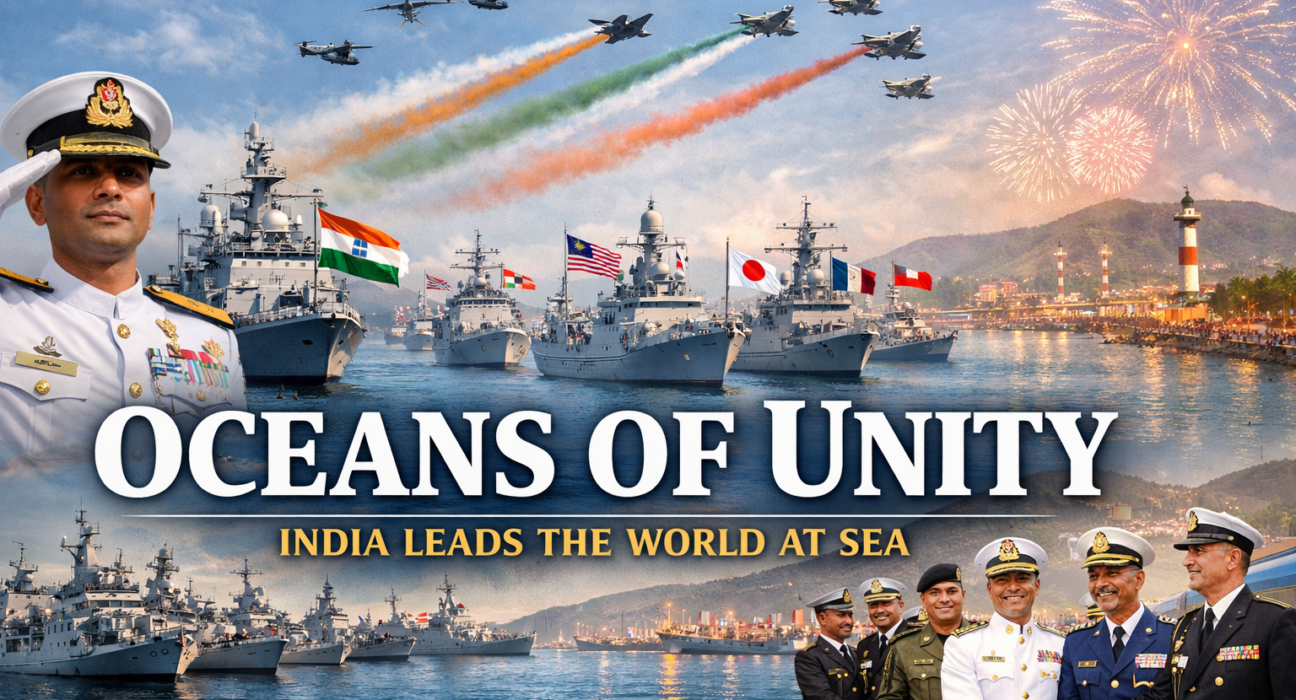
For the people of India, and especially for residents of Visakhapatnam, the event has brought immense pride. The city’s coastline is now adorned with warships flying flags from across the world. From advanced destroyers to sleek frigates and submarines, the majestic presence of international fleets standing side by side reflects a powerful message the oceans unite more than they divide.
A Celebration of Maritime Unity
The International Fleet Review is a ceremonial event where navies assemble to review maritime strength, demonstrate solidarity, and promote peace. For India, hosting IFR 2026 is a milestone moment. It signals the country’s growing influence as a responsible maritime power and a key player in ensuring stability in the Indo-Pacific region.
MILAN 2026, which runs alongside the Fleet Review, is equally significant. Originally started as a modest naval exercise, MILAN has grown into one of the largest multinational naval engagements in the region. The word “Milan” itself means “meeting” or “coming together” and that spirit is visible in every handshake between officers, every joint drill at sea, and every cultural exchange happening onshore.
Strength Through Cooperation
In a world facing evolving security challenges from piracy and maritime terrorism to climate disasters and humanitarian crises — naval cooperation has become more important than ever. Events like IFR and MILAN provide a platform for countries to strengthen operational coordination, share expertise, and build mutual confidence.
Indian naval officers are engaging in joint exercises with their global counterparts, improving interoperability and disaster response readiness. These exercises go beyond defense; they ensure that nations can work together during emergencies such as cyclones, tsunamis, or search-and-rescue operations.
The presence of over 70 countries underscores the trust the global community places in India’s maritime leadership. It reflects India’s commitment to the vision of “Security and Growth for All in the Region” (SAGAR) a doctrine that emphasizes collaboration rather than competition in shared waters.
Boost for Local Economy and Tourism
Beyond diplomacy and defense, the event has also brought a wave of economic activity to Visakhapatnam. Hotels are fully booked, local businesses are thriving, and tourism has received a significant boost. Cultural programs, naval band performances, and ship visits have drawn large crowds of citizens eager to witness this historic moment.
Students, young cadets, and aspiring defense personnel have had the rare opportunity to interact with naval officers from around the world. For many, this experience has ignited new dreams of serving the nation or working in global maritime fields.
Local artisans and cultural groups are also participating in welcoming ceremonies, showcasing India’s rich heritage to international guests. The blend of discipline and tradition naval parades alongside classical dance performances beautifully reflects India’s modern strength rooted in timeless culture.
India’s Growing Global Footprint
Hosting such a large-scale maritime event highlights India’s expanding global footprint. Over the past decade, the Indian Navy has strengthened partnerships across Asia, Africa, Europe, and the Americas. Through joint patrols, humanitarian missions, and anti-piracy operations, India has demonstrated that it is not just safeguarding its own waters but contributing to global maritime stability.
The Fleet Review also serves as a reminder of India’s technological progress in shipbuilding and defense innovation. Indigenous warships standing proudly among international fleets reflect the country’s progress toward self-reliance in defense manufacturing.
A Message of Peace
Perhaps the most inspiring aspect of IFR 2026 and MILAN 2026 is the message they send to the world. While warships symbolize strength, their coming together in harmony symbolizes peace. The gathering shows that dialogue and partnership remain the strongest tools in maintaining global stability.
As the sun sets over the Bay of Bengal, illuminating rows of ships anchored in unity, the sight becomes more than ceremonial it becomes symbolic. It tells a story of nations choosing cooperation over conflict, partnership over isolation, and shared prosperity over division.
For India, this moment in Visakhapatnam is not just about naval might. It is about leadership with responsibility, strength with humility, and power guided by peace.
And for every Indian watching this grand spectacle unfold, there is a renewed sense of confidence that the country stands tall on the global stage, steering not only its own future but contributing meaningfully to a safer, more connected world.