


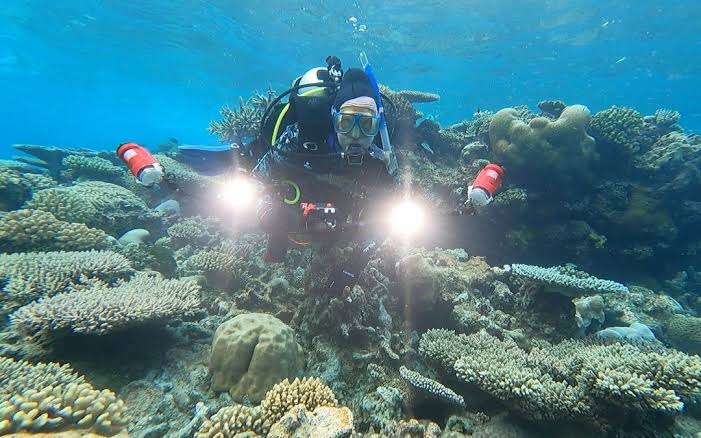
The restoration of coral reefs represents one of the most pressing ecological challenges of the twenty-first century. As of 2026, the integration of artificial intelligence with biological assisted fertilization has provided a transformative solution in the Dominican Republic and beyond. By moving away from passive conservation and toward active, data driven intervention, scientists are effectively engineering a future for marine biodiversity that once seemed lost to the effects of global warming.
The primary innovation lies in the use of AI to manage the complexity of reef ecosystems. Coral spawning is a delicate, time sensitive process that is easily disrupted by slight changes in water temperature or chemistry. AI algorithms now synthesize satellite imagery and underwater sensor data to identify optimal spawning windows and precise locations for transplanting lab grown coral larvae. This level of precision ensures that limited resources are utilized with maximum efficiency, significantly increasing the success rate of reef “seeding” programs.
Furthermore, this technological synergy addresses the need for long term resilience. Rather than simply replacing lost coral, the program focuses on “climate smart” restoration. By selecting and breeding coral strains that have shown a natural resistance to heat stress, and then using AI to map future climate refugia, conservationists are building reefs designed to survive the next century. This proactive approach mirrors the successful elimination strategies seen in public health and the expansion of legal protections for vital species like the Amazon’s stingless bees.
- As these AI driven models are scaled across the Caribbean and eventually to the Great Barrier Reef, they offer a powerful narrative of hope. They demonstrate that while technology has historically been a driver of environmental strain, it can also be our most effective tool for healing the planet. The revitalization of these underwater cities is not just a victory for marine life, but a fundamental step in securing the coastal stability and food security of human civilizations globally.