







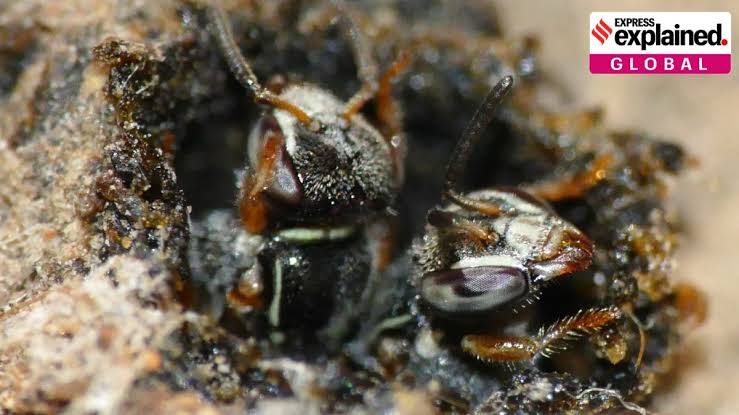
In a transformative shift for global environmental jurisprudence, the stingless bees of the Amazon rainforest have been granted formal legal rights. This historic decision, finalized in early January 2026, marks the first time an insect species has been recognized as a legal entity with the inherent right to exist, persist, and flourish. This milestone represents a significant victory for the Rights of Nature movement, which seeks to move beyond viewing the environment as a resource for human consumption and instead recognizes the intrinsic value of all living systems.
Stingless bees are the silent architects of the Amazonian ecosystem. As the primary pollinators of the world’s largest rainforest, they are responsible for the reproduction of thousands of plant species that provide food and habitat for countless other creatures. For centuries, these bees have maintained the delicate balance of the jungle, yet they have increasingly suffered from the cumulative impacts of deforestation, climate change, and the widespread use of industrial pesticides. By elevating their status to that of legal persons, the court has provided a new mechanism for their protection, allowing advocates to bring legal action on behalf of the bees whenever their habitat or health is threatened.
The legal framework for this decision draws inspiration from indigenous worldviews that have long regarded nature as a living relative rather than a commodity. This perspective is now being integrated into modern legal systems, providing a robust defense against unsustainable development. Under this new ruling, regional governments and corporations must account for the well-being of these pollinators in their environmental impact assessments. Any project that risks the survival of stingless bee colonies can now be challenged in court using the same legal principles that protect human rights.
This breakthrough offers a beacon of hope for conservationists worldwide. As global biodiversity continues to decline at an alarming rate, the Amazonian model provides a replicable strategy for safeguarding other critical species. By recognizing that the health of the human species is inextricably linked to the health of the insects that pollinate our food and stabilize our climate, this ruling fosters a more balanced and sustainable relationship with the Earth. Australia’s progress in public health and India’s focus on social security for workers are mirrored here in the environmental sector, reflecting a global trend toward a more inclusive and protective society.