


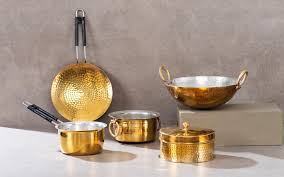
For centuries, traditional cookware has played an integral role in defining culinary practices worldwide. Among these, the wide-mouthed, shallow brass or bronze vessel has been a staple in many kitchens, particularly in South Asian and Middle Eastern cultures. This timeless piece of cookware is known for its ability to retain and evenly distribute heat, making it ideal for slow-cooked stews and curries.
Origins and Cultural Significance
The use of brass and bronze cookware dates back thousands of years. In ancient civilizations, these metals were favored for their durability, antimicrobial properties, and ability to enhance the flavors of food. Such vessels were commonly used in traditional Indian, Persian, and Middle Eastern households, where slow cooking was an essential technique for preparing rich, flavorful dishes. Even today, these vessels are cherished heirlooms, passed down through generations.
Design and Characteristics
The wide-mouthed, shallow design of these vessels serves a specific purpose. The broad surface area allows for even cooking, essential for dishes that require slow simmering, such as stews, dals, kormas, and curries. The thick walls of brass or bronze help retain heat for a longer duration, ensuring that food is cooked thoroughly while preserving its nutrients and flavors.
Bronze, an alloy of copper and tin, is particularly known for its resistance to corrosion and its ability to interact with food in a beneficial manner. Brass, an alloy of copper and zinc, also possesses similar advantages but requires regular maintenance to prevent oxidation.
Health Benefits of Cooking in Brass and Bronze
Cooking in traditional metal cookware has been linked to several health benefits:
- Enhanced Flavor: The slight interaction of metal with acidic ingredients can enhance the taste of the dish.
- Nutrient Retention: Slow cooking in these vessels helps preserve essential vitamins and minerals.
- Antimicrobial Properties: Both brass and bronze have natural antibacterial properties, reducing the risk of contamination.
- Balanced pH Levels: Some believe that cooking in these metals helps maintain the body’s pH balance by neutralizing acidic food components.
Maintenance and Care
To ensure the longevity of these vessels, proper care is essential:
- Avoid cooking highly acidic foods (like tomatoes or vinegar-based dishes) in untreated brass or bronze, as they may react with the metal.
- Regularly season the vessel with oil to maintain its sheen and prevent oxidation.
- Clean with a mild soap and avoid harsh scrubbing to retain the natural patina.
- Dry thoroughly after washing to prevent tarnishing.
Modern-Day Relevance
While modern cookware like stainless steel and non-stick pans have gained popularity, many chefs and culinary enthusiasts are returning to traditional methods due to the superior cooking experience and health benefits offered by brass and bronze vessels. Restaurants focused on authentic cuisine often use these vessels to bring out the true essence of age-old recipes.
Conclusion
The wide-mouthed, shallow brass or bronze vessel is more than just a cooking utensil—it is a symbol of tradition, culture, and time-honored culinary wisdom. As we move toward healthier and more sustainable cooking practices, embracing these traditional vessels can be a meaningful step in preserving our heritage while enjoying delicious, wholesome meals. Kapitalbro