








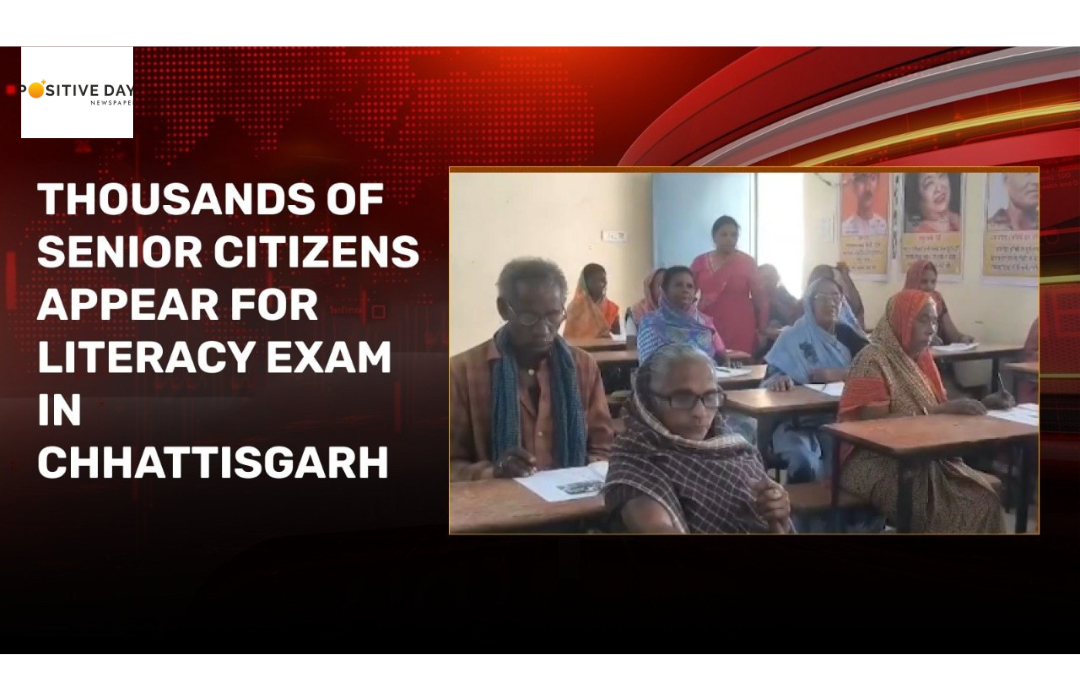
In a heart-warming illustration of the ungradual force of curiosity and the ever-expanding ability of the human spirit to grow, well over 15,000 senior citizens from Chhattisgarh, and particularly from the district of Durg, have recently made news by turning up to take a basic literacy test—a clear indication that the hunger for learning knows no age barriers at all! This historic event, which took place towards the end of 2025, is associated with an audacious “Ullas: Nav Bharat Saksharta Karyakram” or “New India Literacy Program,” and was centrally sponsored in an activity that was meticulously integrated with National Education Policy (NEP), 2020. These senior students, who range from aged 50 to 75 years, stepped into test centers not only as people eager to exhibit their literacy skills and ability to read and write, but as people still determined to rediscover their dignity and freedom that had slipped away from their grasp for well over seven decades due to various socio-economic constraints and barriers. These test-takers mark the end of their rigorous learning experience of no less than 200 contact learning hours, during which they covered seven chapters of an intensive education program that was architecturally formulated to effectively narrow down the gap that separated illiteracy from functional literacy and education. The motive of imparting education to senior citizenry from this state is associated with the wider state-level initiative officially launched by none other than Chhattisgarh’s very own Chief Minister, Shri. Vishnu Deo Sai, who aims at changing the lives of no less than 10 lakhs (a million) or so non-literates by bringing them into his own fold of literacy beneficiaries.
The mechanics of this literacy initiative are as innovative as they are inclusive, adopting a teaching method that reaches the seniors as they are, rather than trying to adjust them to a more conformist, strict academic format by force. Taking cognizance of the fact that a large part of their generation has toiled away on farm or labor-intensive jobs, the initiative makes use of ‘vegetables, grains, fruits, sand, wood, or even a farm barn, to teach them the shape of alphabets, basically trying to impart sense to numbers.’ This hands-on, applicative teaching technique, usually administered from community-focused centers named ‘Samajik Chetna Kendras,’ makes sure that there’s a sense of familiarity as well as an easier take for those who may’ve lived their entire lives cowering away from a dreaded approach to academics. For a readiness for the exam, students accessed ‘Ullas Praveshika,’ a beginner’s book that not only taught them basic reading, writing, but went on to incorporate much more communicatively applicable levels like digital, financial, as well as health-related awarenesses altogether! The seriousness that the state dedicates to this end has been further expressed by their exclusive approach to their volunteering strategy, as roughly one lakh teachers, comprising ’10th & 12th class students as teachers, have been brought together for this purpose.’ A masterstroke approach has brought a noticeable youth-centric push by stating that those who already participate as student-mentors amongst their peers, using their communicative finesse to wipe away illiteracy for a total of ten individuals, get ’10 extra marks on their board exams, thus turning the entire illiteracy removal drive as a crossover activity for the generations.’