








Global Childhood Immunization Continues to Improve, Bringing Hope for a Healthier Future
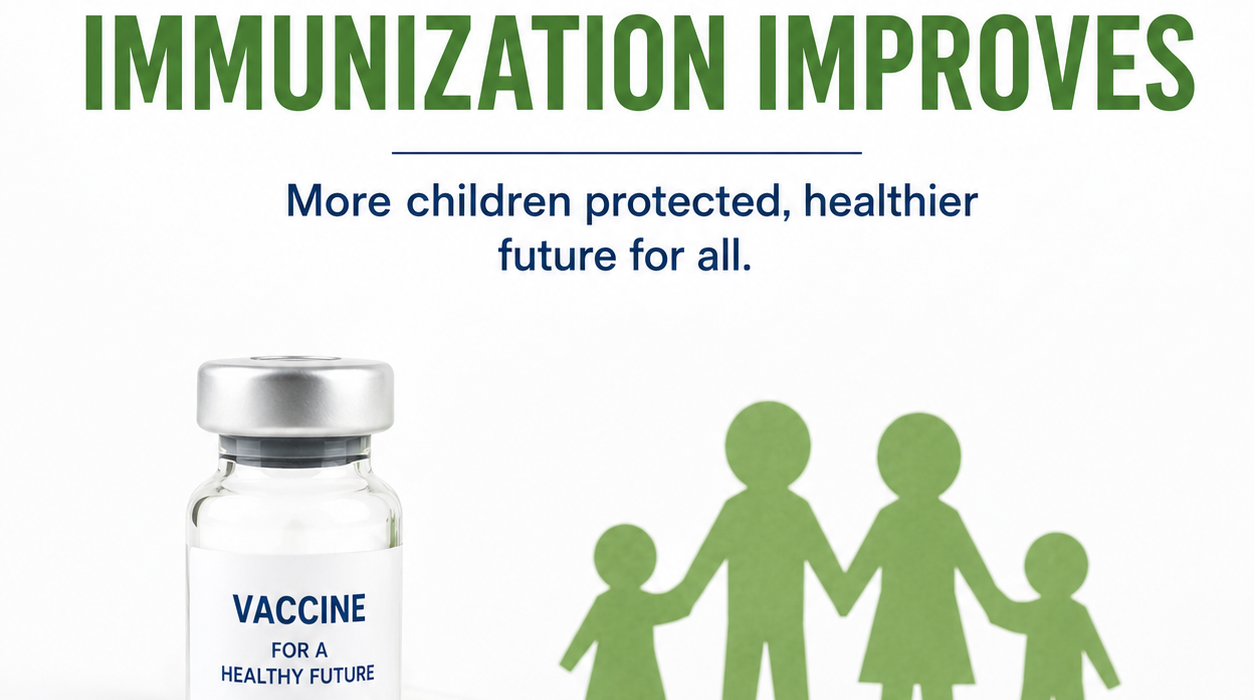
Vaccines have saved millions of lives over the past century, protecting children from dangerous diseases and helping communities stay healthy. In another encouraging step for global health, the World Health Organization (WHO) and UNICEF have reported that childhood immunization coverage continued to improve in 2025. More children around the world are receiving life-saving vaccines, showing that global efforts to strengthen healthcare systems are making a positive difference.
Although challenges such as conflicts, natural disasters, and unequal access to healthcare still exist, the latest report highlights that countries are making steady progress in ensuring children receive essential vaccinations. This is welcome news for families, healthcare workers, and governments working together to build a healthier future.
A Positive Step for Children’s Health
Childhood vaccines protect against serious diseases such as measles, polio, diphtheria, tetanus, whooping cough, and hepatitis B. These diseases once caused millions of illnesses and deaths every year, but widespread immunization has dramatically reduced their impact.
According to the WHO and UNICEF, vaccination coverage has continued to recover after disruptions caused by the COVID-19 pandemic. Many countries have strengthened their healthcare services, expanded outreach programmes, and improved vaccine availability to ensure more children receive routine immunizations on time.
This steady progress means millions of children now have better protection against preventable diseases.
Why Vaccines Matter
Vaccines are one of the most effective public health tools ever developed. They help the body’s immune system recognize and fight harmful viruses and bacteria before they cause serious illness.
When a large number of people are vaccinated, communities also benefit from herd immunity, reducing the spread of infectious diseases and protecting those who cannot be vaccinated due to certain medical conditions.
Vaccination not only saves lives but also reduces hospital admissions, lowers healthcare costs, and helps children attend school regularly without interruption from preventable illnesses.
Progress Despite Challenges
The latest report is especially encouraging because it comes despite several global challenges. Armed conflicts, humanitarian emergencies, climate-related disasters, and economic difficulties have made healthcare delivery more difficult in many parts of the world.
Healthcare workers, governments, and international organizations have continued to work together to reach children in remote and vulnerable communities. Mobile vaccination clinics, awareness campaigns, and stronger healthcare infrastructure have helped improve access to routine immunization services.
Their efforts demonstrate the importance of international cooperation in protecting children’s health.
Benefits Beyond Health
The impact of childhood immunization extends far beyond preventing disease.
Healthy children are more likely to attend school regularly, participate in sports and other activities, and achieve their full potential. Families also experience fewer medical expenses, while communities benefit from healthier populations and stronger economies.
Vaccination programmed also reduce pressure on hospitals and healthcare systems, allowing medical professionals to focus on treating other illnesses and emergencies.
Investing in immunization is therefore an investment in education, economic development, and the overall well-being of society.
A Balanced Perspective
While the progress is encouraging, WHO and UNICEF emphasize that the work is not yet complete. Millions of children around the world still miss routine vaccinations because of conflict, poverty, displacement, weak healthcare systems, or vaccine hesitancy.
Some countries continue to experience outbreaks of diseases such as measles where vaccination coverage remains low. Public health experts stress that maintaining high vaccination rates is essential to prevent these diseases from returning.
Continued investment in healthcare services, public awareness, and international collaboration will be necessary to ensure that every child has equal access to life-saving vaccines.
Looking Ahead
The encouraging rise in childhood immunization coverage shows that global health systems are moving in the right direction. Governments, healthcare professionals, volunteers, and international organizations are working together to protect future generations from preventable diseases.
Advances in vaccine research, improved healthcare infrastructure, and greater public awareness are expected to further strengthen immunization programmed in the years ahead.
With continued commitment, more children will have the opportunity to grow up healthier, stronger, and better prepared for the future.
Conclusion
The latest WHO and UNICEF report is a reminder that positive change is possible when countries work together toward a common goal. The continued improvement in childhood immunization coverage represents hope for millions of families across the world.
While challenges remain, every child vaccinated is another step toward a safer and healthier future. By strengthening immunization programmes today, the world is protecting the next generation from preventable diseases and creating healthier communities for years to come. This positive progress shows that consistent public health efforts can truly make a lasting difference in people’s lives.
Read more health positive news