








In the bustling urban sprawl of Bengaluru, a quiet but heroic battle is being fought every day to protect the city’s avian residents. People for Animals (PfA) Wildlife Hospital, one of India’s premier wildlife rehabilitation centers, has emerged as a beacon of hope for birds falling victim to “Manjha”—the glass-coated kite string that turns the sky into a lethal obstacle course. Through a dedicated blend of advanced veterinary surgery and compassionate rehabilitation, PfA is ensuring that the “wings of Bengaluru” continue to fly high.
The threat posed by Manjha is particularly severe during festival seasons, but its remnants linger in trees and on rooftops year-round. These strings act like invisible razors, often causing deep lacerations to wings, severing tendons, or leading to slow, painful deaths by entanglement. The PfA hospital receives a staggering number of cases involving Black Kites, Owls, and Parakeets. For these birds, a single kite string can mean the end of their life in the wild; however, the experts at PfA are rewriting these tragic endings with medical precision.
The Path to Recovery
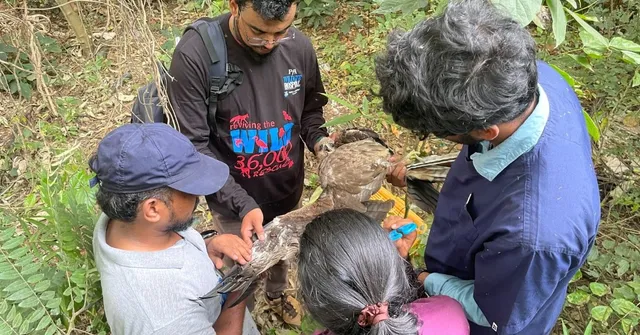
The rehabilitation process at PfA is a meticulous, multi-stage journey:
- Emergency Surgery: Many birds arrive with wings hanging by a thread. PfA surgeons perform intricate microsurgeries to repair damaged tissues and bones.
- Physiotherapy: Just like humans, birds need physical therapy to regain muscle strength and wing flexibility after surgery.
- Flight Cages: Once healed, birds are moved to large outdoor aviaries where they can practice flying and build the stamina required for survival in the wild.
- The Final Release: The ultimate goal is always a “Soft Release,” where birds are returned to safe environments once they are deemed fully fit to hunt and fly independently.
Beyond medical treatment, PfA is a vocal advocate for the ban of Chinese Manjha (synthetic, glass-coated string) and encourages the use of biodegradable cotton threads. By conducting awareness workshops and collaborating with local communities, they are addressing the root of the problem. Their work highlights a critical truth: urban development and wildlife can coexist, but only if we take responsibility for the hazards we introduce into their habitats.
The PfA Wildlife Hospital stands as a testament to the power of collective action and professional wildlife care. Every bird released back into the Bengaluru sky represents a victory for conservation and a step toward a more compassionate city. For the volunteers and doctors at PfA, the greatest reward isn’t an award or a title—it is the sight of a once-injured kite soaring effortlessly into the horizon, free from the strings that once bound it.