









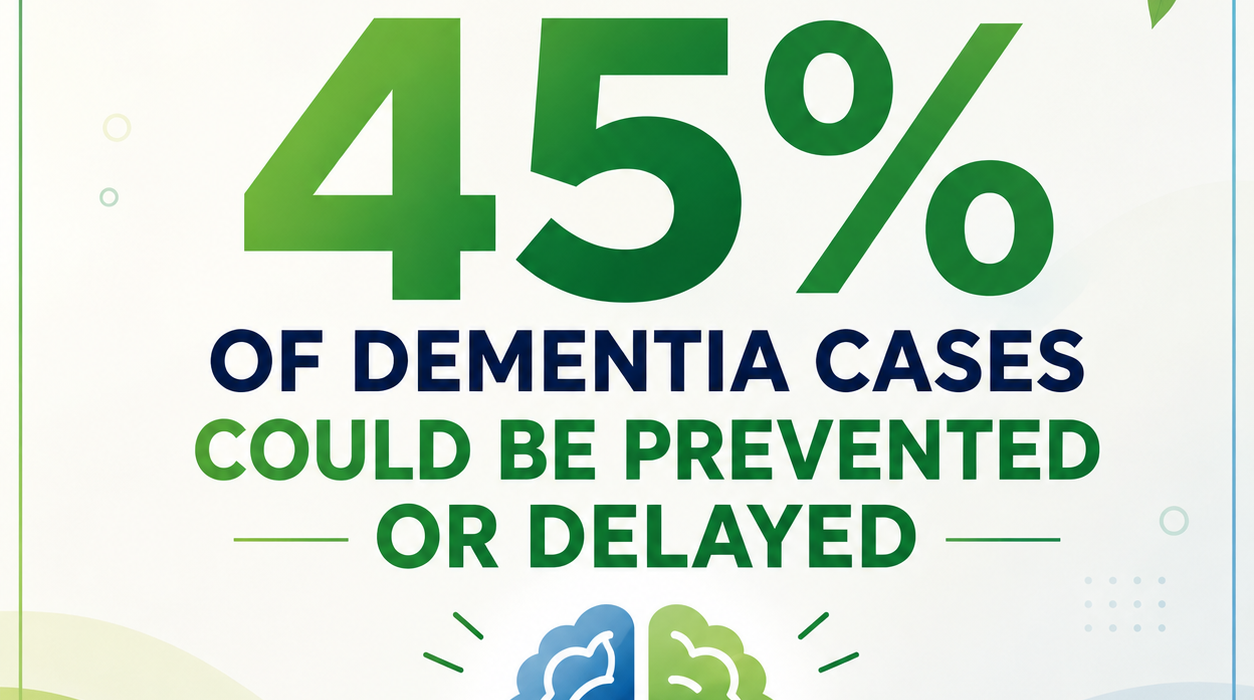
Nearly 45% of Dementia Cases Could Be Prevented or Delayed, Says WHO
Dementia is one of the biggest health challenges facing the world today, affecting millions of people and their families. While there is currently no cure for most forms of dementia, a new report from the World Health Organization (WHO) brings encouraging news. According to the organization, up to 45% of dementia cases could potentially be prevented or delayed by addressing certain lifestyle and environmental risk factors throughout life.
This finding offers hope that healthy habits and early preventive measures can make a real difference in reducing the risk of dementia and improving overall brain health.
Understanding Dementia
Dementia is not a single disease but a group of conditions that affect memory, thinking, reasoning, and the ability to perform everyday activities. Alzheimer’s disease is the most common form of dementia, but there are several other types as well.
Although age is the biggest risk factor, dementia is not a normal part of ageing. Scientists have found that many lifestyle choices and health conditions can influence a person’s risk of developing the condition later in life. This is where prevention becomes important.
What Does the WHO Say?
The WHO highlights that reducing certain modifiable risk factors can significantly lower the chances of developing dementia or delay its onset.
Some of these risk factors include:
- High blood pressure
- Diabetes
- Smoking
- Obesity
- Physical inactivity
- Hearing loss
- Excessive alcohol consumption
- Air pollution
- Depression
- Social isolation
- Limited access to education
The organization explains that improving these factors not only benefits brain health but also supports heart health, mental well-being, and overall quality of life.
Small Lifestyle Changes Can Make a Big Difference
One of the most positive messages from the WHO report is that everyday choices matter. Simple habits practiced consistently over time can help protect the brain.
Regular physical activity improves blood circulation and keeps the brain active. Eating a balanced diet rich in fruits, vegetables, whole grains, and healthy fats supports overall health. Managing blood pressure, blood sugar, and cholesterol reduces stress on blood vessels that supply the brain.
Staying socially connected is equally important. Spending time with family and friends, joining community groups, learning new skills, reading books, solving puzzles, or even learning a new language can help keep the brain engaged.
These activities do not guarantee prevention, but they may lower the risk while improving overall health and happiness.
Why This Matters
Dementia affects not only the individual but also families, caregivers, and healthcare systems. As life expectancy increases around the world, the number of people living with dementia is expected to grow significantly in the coming decades.
The WHO’s findings are important because they shift the focus from treatment alone to prevention. If more people adopt healthier lifestyles and receive early healthcare support, millions of future dementia cases could potentially be delayed.
This would improve quality of life for older adults while reducing emotional and financial pressure on families and healthcare services. Prevention also helps people remain independent and active for longer.
A Balanced Perspective
While the findings are encouraging, it is important to understand that dementia cannot always be prevented. Age, genetics, and certain medical conditions continue to play a major role. Some people may still develop dementia despite following healthy habits.
The WHO therefore emphasizes that prevention should be seen as a way to reduce risk, not as a guaranteed solution. Regular health check-ups, early diagnosis, and proper medical care remain essential for maintaining brain health throughout life.
Looking Ahead
The WHO’s latest guidance is a positive reminder that many aspects of our health are influenced by the choices we make every day. Governments, healthcare providers, communities, and individuals all have a role in promoting healthier lifestyles and creating environments that support lifelong well-being.
Simple actions such as exercising regularly, eating nutritious food, staying mentally active, avoiding tobacco, limiting alcohol, and maintaining strong social connections can benefit both the brain and the body.
Conclusion
The WHO’s report offers hope in the fight against dementia. While no single action can completely prevent the condition, adopting healthy habits throughout life may significantly reduce the risk or delay its onset for many people.
This positive message reminds us that investing in our health today can create a healthier tomorrow. By taking care of our bodies, minds, and relationships, we not only improve our own quality of life but also contribute to healthier families and stronger communities. Prevention begins with small daily choices, and those choices can make a meaningful difference over time. Read more health news